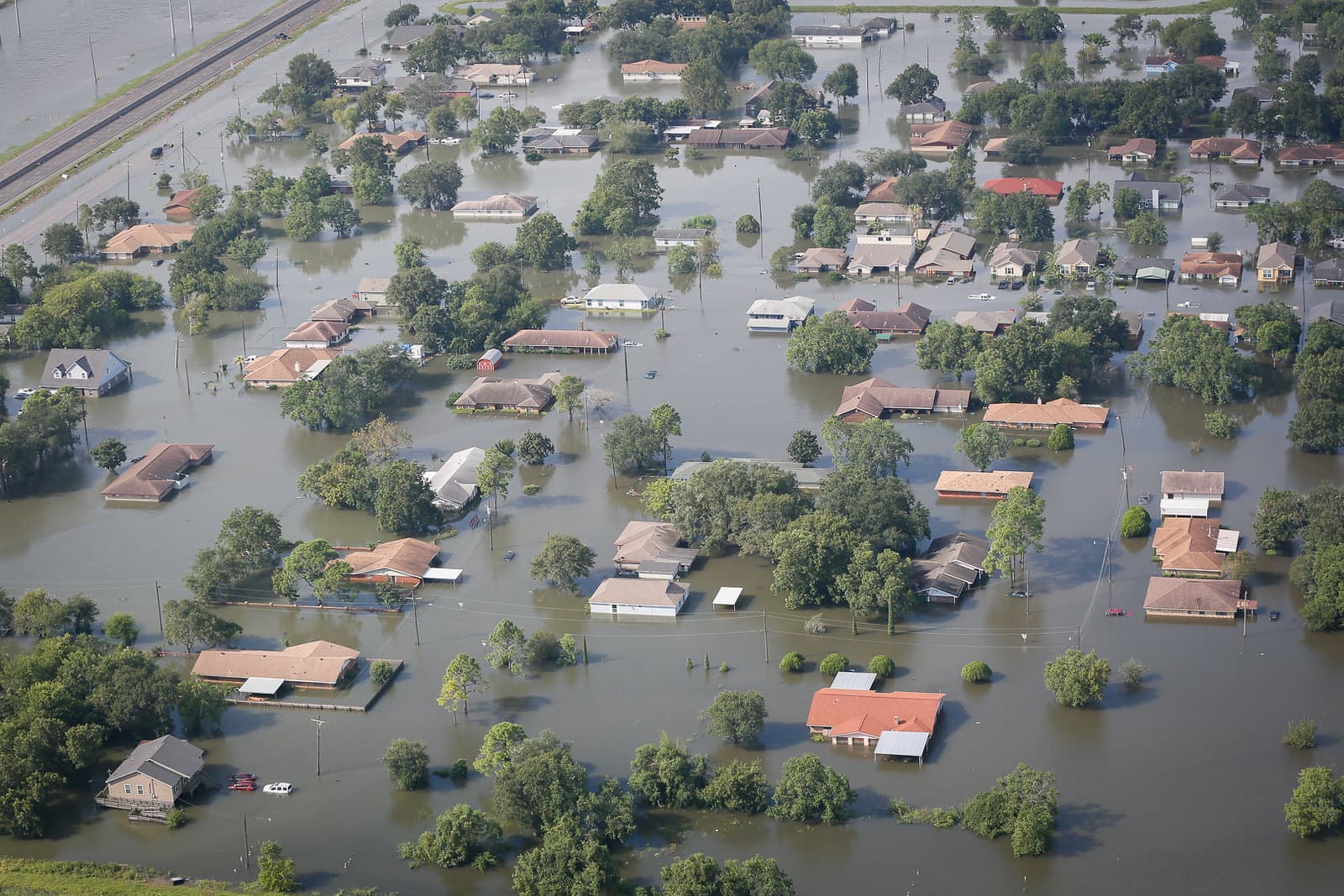
The Disaster
Hurricane Harvey made landfall on August 25, 2017, as a Category 4 storm near Rockport, Texas. It then stalled over southeast Texas for four days, dumping more than 60 inches of rain in some areas — the highest tropical-cyclone rainfall ever recorded in the continental United States. The flooding was catastrophic. Over 200,000 homes were damaged or destroyed. More than 30,000 people were displaced. At least 17,000 had to be rescued. The storm killed 107 people across the U.S. and caused an estimated $125 billion in damage, making it tied with Hurricane Katrina as the costliest tropical cyclone in U.S. history.
The Email
On Monday, August 28 — three days into the storm, with Houston submerged — Airbnb's marketing automation system sent a promotional email to subscribers nationwide. The subject line: "Floating homes, waterfall slides, & more reasons to travel."
The email promoted water-themed vacation rentals. Headlines inside included "Stay above water" and "Live the life aquatic with these floating homes." Another section read: "How to spend a day — or an entire trip — without touching dry land."
The campaign had been produced months earlier, part of Airbnb's rotating promotional series highlighting unique property types. Previous editions had featured treehouses and geodesic domes. The water theme was coincidental. The timing was not checked.
The Irony
What made this incident especially painful for Airbnb was the contrast with their own disaster response efforts. The same week the promotional email landed, Airbnb's Disaster Response Program was actively providing free housing to Harvey evacuees and relief workers. The company had waived all service fees for hosts offering free listings in the affected area. More than 250 listings at $0/night were available through their emergency page.
One part of Airbnb was doing exactly the right thing. Another part — the automated marketing engine — was doing exactly the wrong thing. The two systems didn't talk to each other.
The Response
Airbnb apologized quickly and without equivocation. Spokesperson Christopher Nulty told Quartz: "The timing of this email marketing campaign was insensitive and we apologize for that. We continue to keep everyone affected by Harvey and all the first responders and their families in our thoughts."
The response was measured and professional — far better than American Apparel's "it came from a good place" deflection five years earlier. But the damage was done. The story ran in Quartz, The Drum, MediaPost, IBTimes, CandysDirt, and dozens of other outlets. It's now cited alongside the American Apparel incident as one of the canonical examples of crisis-blind email marketing.
“Marketing automation is an email marketer's best friend, but it's imperative that marketers keep tabs on upcoming campaigns to halt any that might be in poor taste due to current events.”— MediaPost, Email Marketing Daily, August 30, 2017
The Lesson for Today's Marketing Teams
In 2017, there weren't widely available tools to automatically cross-reference scheduled email campaigns against active natural disasters. Airbnb's marketing team would have needed to manually review the send queue against the news cycle — and in the chaos of a Category 4 hurricane, that review didn't happen.
But the environment has changed since then. Consumers today have far more channels to amplify their displeasure — and far less patience for brands that appear tone-deaf. What was a Twitter backlash in 2017 would be a multi-platform pile-on in 2026, complete with screenshots, TikTok commentary, and journalists monitoring brand mentions in real time.
For marketing teams running automated campaigns at national scale, the Airbnb case is a reminder that automation is a tool, not a strategy. Any workflow that sends without a human checking it needs some mechanism — whether it's a manual pre-send review process, a crisis-event checklist, or a technology layer — to pause when the real world shifts underneath a scheduled campaign. The question every marketing ops team should ask: if a major disaster hit tomorrow, which of our automated sends would go out anyway?